
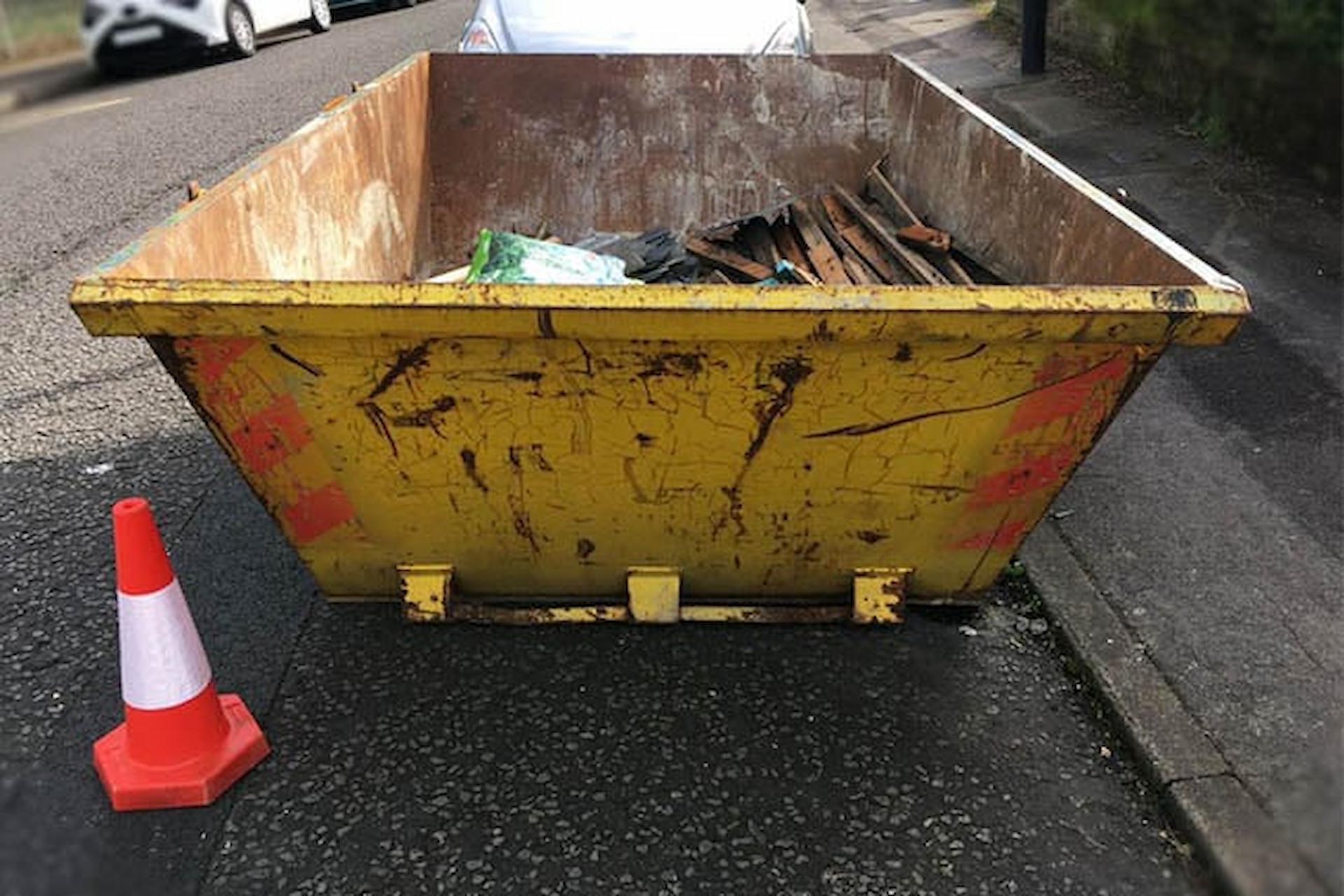
Renovation projects often begin with excitement and clear intentions, but waste management is one aspect that can quickly become overwhelming. From old fixtures and broken materials to general construction debris, the volume of waste can build up faster than expected. Planning ahead for disposal is not just practical—it is essential for keeping your project organised and efficient.
One effective solution many homeowners and contractors rely on is skip hire St Albans. Whether you are updating a single room or undertaking a full property refurbishment, having a dedicated waste disposal method can make a noticeable difference in both workflow and overall cleanliness.
Understanding the Role of Skip Hire in Renovations
Skip hire provides a straightforward way to manage waste during building or renovation work. Instead of making repeated trips to disposal sites or allowing rubbish to accumulate, a skip offers a central place for all unwanted materials.
This approach saves time and effort while also ensuring that waste is handled in accordance with local regulations. It also reduces disruption, as everything can be removed in one go once the project is complete.
However, the decision to hire a skip is not always necessary for every type of project. Understanding when it becomes beneficial is key to making the right choice.
Large-Scale Renovations and Structural Changes
If your renovation involves major structural work, skip hire is almost always required. Projects such as knocking down walls, replacing flooring, or reconfiguring spaces generate significant amounts of waste.
Materials like bricks, concrete, plaster, and timber quickly pile up and are difficult to manage without a proper disposal system. In such cases, a skip becomes an essential part of the process rather than an optional extra.
It also helps maintain safety on-site. Removing debris promptly reduces hazards and creates a cleaner working environment for everyone involved.
Kitchen and Bathroom Refurbishments
Even smaller renovations, such as updating a kitchen or bathroom, can produce more waste than anticipated. Old cabinets, tiles, plumbing fixtures, and appliances all need to be removed and disposed of responsibly.
While it may seem manageable at first, the combination of bulky items and smaller debris can become difficult to handle without a skip. Hiring one ensures that everything can be discarded efficiently, without cluttering your home or garden.
This is particularly important in residential areas where space is limited and keeping surroundings tidy is a priority.
Garden and Outdoor Renovation Projects
Outdoor projects often involve clearing large amounts of organic and construction waste. Landscaping, patio installation, or garden redesign can produce soil, stones, branches, and broken materials.
A skip allows you to manage these materials effectively, especially when they cannot be easily disposed of through regular waste collection services. It also helps maintain the visual appeal of your outdoor space during the project.
For larger garden transformations, skip hire becomes a practical necessity rather than a convenience.
When You Want to Save Time and Effort
One of the most overlooked benefits of skip hire is the time it saves. Renovations already require careful planning and coordination, so reducing additional tasks can make the entire process smoother.
Instead of organising multiple trips to a recycling centre, everything can be collected and removed in a single step. This allows you to focus more on the renovation itself rather than logistics.
It also reduces physical strain, as heavy lifting and transportation are minimised.
Situations Where Skip Hire Is Especially Useful
There are certain scenarios where hiring a skip proves particularly valuable:
- When dealing with bulky or heavy waste materials
- During multi-room or whole-house renovations
- If access to local waste facilities is limited
- When working within a tight project timeline
- For maintaining a clean and organised workspace
In each of these cases, a skip provides a level of convenience that standard disposal methods cannot match.
Compliance with Local Waste Regulations
Waste disposal is not just about convenience—it is also about responsibility. Local councils have strict guidelines on how different types of waste should be handled.
Using a skip hire service ensures that materials are sorted, recycled, or disposed of correctly. This reduces the risk of fines or legal issues associated with improper waste management.
It also supports environmentally responsible practices, which are increasingly important in modern construction and renovation work.
Choosing the Right Time to Hire a Skip
Timing plays an important role in maximising the benefits of skip hire. Ideally, a skip should be arranged before the renovation begins, so it is ready as soon as waste starts accumulating.
This prevents delays and ensures that your workspace remains clear throughout the project. It is also helpful to estimate the volume of waste in advance, allowing you to select the appropriate skip size.
Planning ahead avoids unnecessary costs and ensures a smoother overall experience.
Cost Considerations and Practical Planning
While skip hire involves an upfront cost, it often proves more economical than alternative disposal methods. When factoring in fuel, time, and potential disposal fees, the overall expense can quickly add up without a skip.
Additionally, having a structured waste management plan reduces the likelihood of unexpected delays, which can be costly in themselves.
Careful planning ensures that you get the best value while maintaining efficiency throughout the renovation.
Conclusion
Skip hire plays a crucial role in managing waste during renovation projects of all sizes. From large structural changes to smaller home improvements, it provides a practical and efficient solution for keeping your space organised and safe.
Understanding when to consider skip hire allows you to plan more effectively and avoid unnecessary complications. By integrating waste management into your renovation strategy from the outset, you create a smoother, more controlled process that supports both productivity and environmental responsibility.