
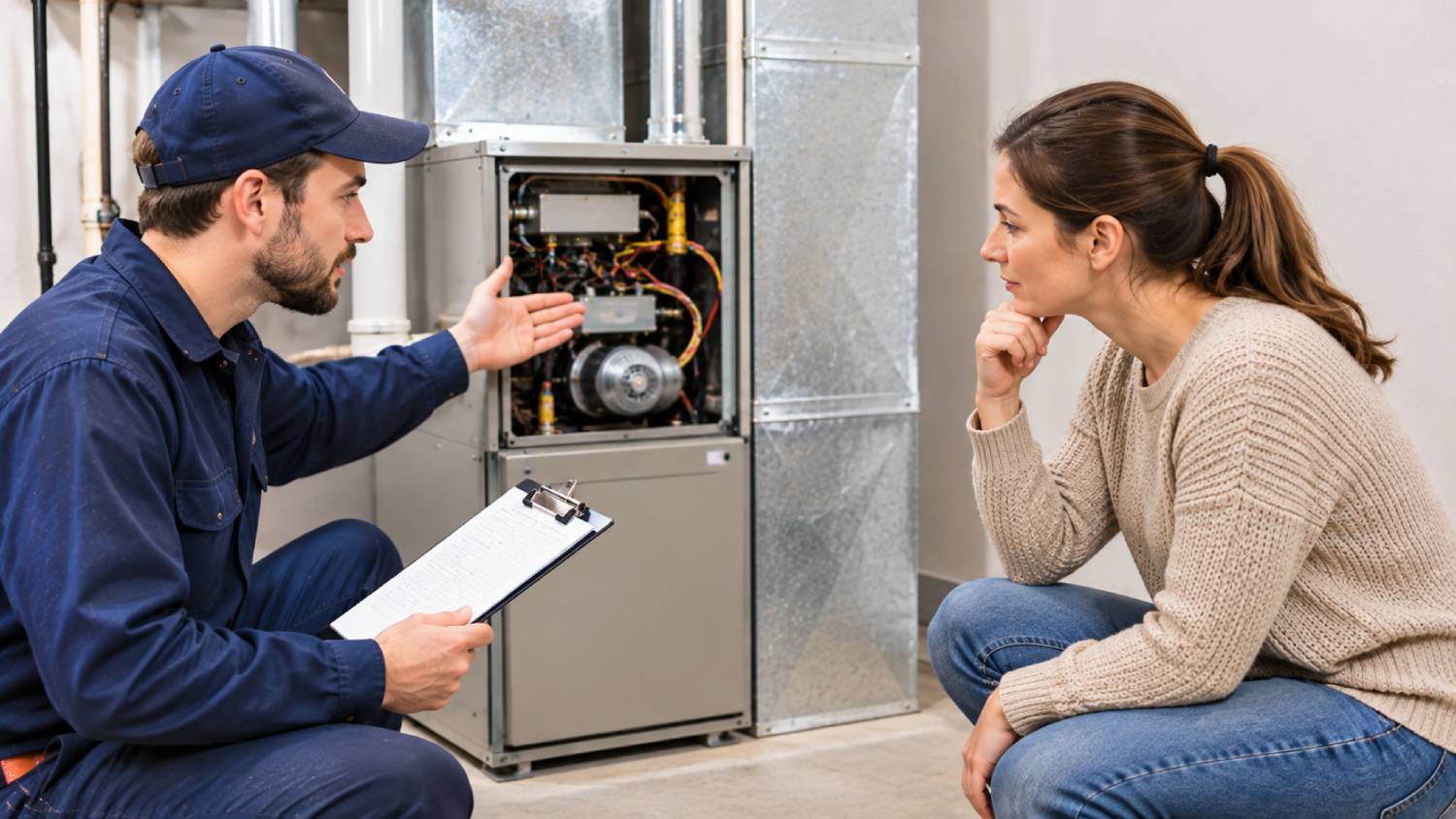
When a furnace stops working, the immediate concern is restoring warmth. The harder question comes with the repair quotation: is fixing the existing system sensible, or would that money be better spent on a replacement? The 50% rule offers a starting point, but it needs context.
What Does the 50% Rule Mean?
When assessing furnace repair and installation in Riverside, CA, the 50% rule suggests considering replacement if a repair costs at least half the price of a fully installed new furnace. It is particularly relevant when the existing unit is ageing or unreliable. However, it is a budgeting guideline, not a technical requirement.
The calculation is straightforward: divide the repair cost by the complete replacement cost, then multiply by 100. Use comparable written quotations, including labour and necessary installation work. An equipment-only replacement price will give a misleading result.
A Practical Example
Imagine a repair quotation of $2,800 and a complete replacement quotation of $5,600. The repair equals 50% of the replacement cost. These illustrative figures are not local price estimates; they simply show how the calculation works.
A quotation for furnace repair and installation in Riverside, CA should explain more than the total. Ask what failed, whether the repair addresses the underlying cause, and what warranty applies. A substantial repair on an otherwise sound furnace deserves different consideration from another repair on a repeatedly failing system.
Three Factors That Matter Beyond the Percentage
Age and Repair History
Review the furnace’s maintenance records and previous breakdowns. One isolated fault does not necessarily justify replacement, while repeated failures can make continued spending less attractive.
Avoid treating age as an expiry date. Ask the technician to assess the equipment’s condition and identify any other significant defects. Remaining service life cannot be guaranteed, but a documented diagnosis provides a stronger basis for deciding.
Safety and Reliability
Safety takes priority over the cost calculation. If a qualified technician determines that the furnace is unsafe, stop using it until the fault is properly resolved. Request a written explanation of the problem and the available remedies.
Also consider the disruption caused by repeated breakdowns. Time without heating and repeated appointments matter, although they should not replace an assessment of whether the equipment can be repaired reliably.
Efficiency and Heating Needs
A new furnace may use fuel more efficiently, but savings depend on its efficiency rating, household heating demand and fuel prices. Ask for estimates based on your actual usage rather than accepting a guaranteed reduction in bills.
Correct sizing matters too. A contractor should calculate the home’s heating load instead of automatically matching the old unit. Oversized equipment can cycle too frequently, affecting comfort and efficiency.
Compare the Full Cost Before Deciding
Check warranty coverage before approving either option. A covered replacement part could reduce the repair bill, although labour and diagnostic charges may still apply under the warranty terms.
For a replacement quotation, confirm whether the price includes:
- Removal and disposal of the old furnace.
- Necessary ductwork, venting and connection alterations.
- Applicable permits, inspections and commissioning.
- Separate parts and labour warranty details.
Ask how unexpected work will be priced and authorised. Comparing the same scope across contractors is more useful than choosing the lowest headline figure.
Frequently Asked Questions
Should I Replace a Furnace Below the 50% Threshold?
Possibly. Repeated breakdowns or several significant defects may favour replacement even when the immediate repair falls below half the installation cost. The percentage should support the diagnosis, not override it.
Is a Repair Above 50% Always Poor Value?
No. Warranty support, equipment condition and the expected benefit of the repair can affect the decision. Obtain a second assessment if the diagnosis or replacement recommendation is unclear.
Conclusion
The 50% rule helps homeowners recognise when a repair bill deserves closer scrutiny. It works best alongside a clear diagnosis, warranty review and complete replacement quotation.
Choose the option that resolves the problem and offers reasonable long-term value. Seeking professional service can help you make an informed decision. Neither an expensive repair nor a new furnace should be approved on price alone.