
Residential waste management is undergoing a major transformation as communities seek cleaner, more efficient, and environmentally responsible solutions. Traditional disposal methods are gradually being replaced by smarter recycling systems, improved sorting technologies, and more sustainable collection practices. As households produce increasing amounts of waste, innovative approaches are helping reduce landfill dependency while encouraging better resource recovery. The future of residential waste handling depends on combining technology, awareness, and practical solutions that make recycling easier for everyday households.
Many homeowners are adopting professional waste solutions such as skip hire Twickenham to manage larger volumes of household waste during renovation projects, garden clearances, and major clean-ups. Modern waste services are becoming more focused on responsible disposal, recycling efficiency, and reducing environmental impact. These improvements allow households to handle waste more effectively while ensuring recyclable materials are processed correctly rather than being unnecessarily sent to landfill.
The Shift Towards Smarter Recycling Systems
Recycling has moved beyond the simple separation of paper, plastic, and glass. Modern waste management systems now use advanced technology to improve sorting accuracy and increase the recovery of valuable materials. Automated sorting facilities, artificial intelligence, and improved processing equipment are helping recycling centres handle waste more efficiently.
These developments are important because contaminated recycling often reduces the quality of recovered materials. Smarter systems help identify recyclable items more accurately, improving the overall effectiveness of household recycling programmes.
Technology Transforming Waste Collection
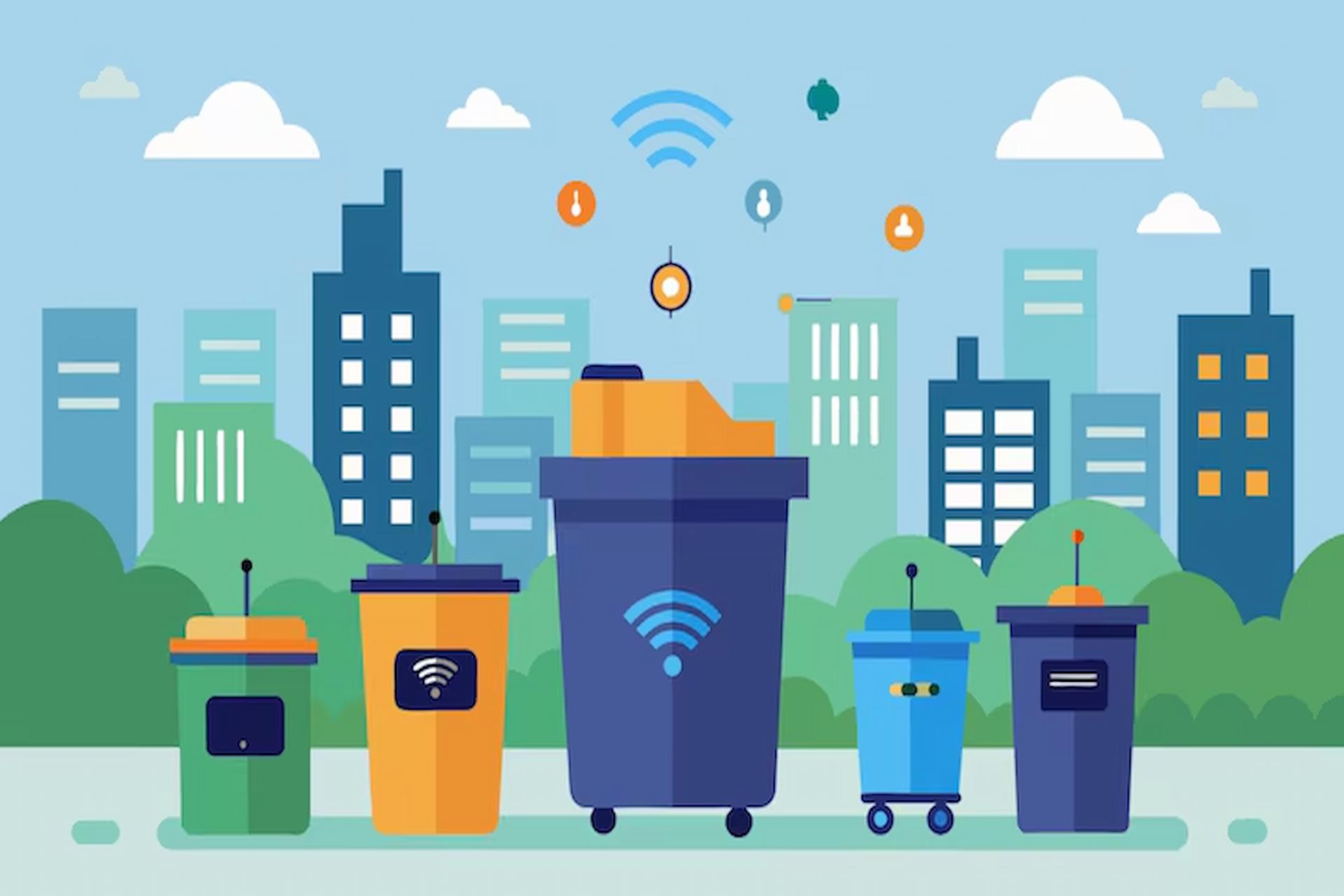
Digital innovation is also changing how waste is collected and managed. Smart bins, collection tracking systems, and data-driven planning tools allow waste providers to improve collection schedules and reduce unnecessary journeys.
Benefits of technology-based waste solutions include:
- More efficient collection routes
- Reduced fuel consumption
- Better monitoring of recycling rates
- Improved household participation
- Lower environmental impact
These changes support cleaner communities while making recycling systems more convenient for residents.
The Growing Importance of Circular Waste Practices
The circular economy approach is becoming increasingly important in residential waste management. Instead of treating waste as something to remove, this model focuses on keeping materials in use for as long as possible.
Items that were previously considered waste can now be reused, repaired, refurbished, or transformed into new products. This reduces pressure on natural resources and supports a more sustainable approach to consumption.
For households managing larger waste volumes, services such as skip hire Twickenham can support responsible disposal by helping separate recyclable materials from general waste streams. Proper sorting and collection practices ensure more materials can return to productive use rather than being discarded.
Innovations in Household Recycling Habits
Consumer behaviour plays a major role in improving recycling outcomes. Many modern households are becoming more conscious of how they purchase, use, and dispose of products. This shift has encouraged businesses and local authorities to introduce easier recycling systems.
New Approaches Encouraging Better Recycling
Innovative household recycling strategies include:
- Multi-stream recycling collections
- Food waste composting schemes
- Reusable packaging initiatives
- Community recycling hubs
- Digital recycling guidance tools
These approaches help residents understand their role in reducing waste and improving resource recovery.
The Role of Food Waste Solutions
Food waste remains a significant challenge in residential waste management. Organic materials sent to landfills can contribute to environmental issues, while composting and specialised recycling methods offer better alternatives.
Modern food waste programmes encourage households to separate organic materials for composting or energy production. This creates useful outputs such as compost, soil improvements, and renewable energy resources.
Benefits of Improved Food Waste Management
Effective food waste solutions can:
- Reduce landfill volumes
- Support soil health
- Lower greenhouse gas emissions
- Encourage sustainable household practices
- Create valuable resources from waste
These methods demonstrate how everyday actions can contribute to broader environmental goals.
The Rise of Sustainable Packaging and Reuse
Packaging waste is one of the biggest challenges facing residential recycling systems. As online shopping and convenience products continue to grow, the amount of packaging entering homes has increased significantly.
Businesses are responding by developing recyclable, biodegradable, and reusable packaging options. Consumers are also becoming more selective, choosing products with reduced packaging or materials that can be processed more easily.
Future Packaging Trends
Emerging solutions include:
- Compostable packaging materials
- Refillable household products
- Reduced plastic use
- Improved recycling labels
- Reusable delivery containers
These changes are helping create a stronger connection between production, consumption, and waste reduction.
Improving Waste Management Through Education
Education remains essential for successful recycling programmes. Even the most advanced recycling infrastructure cannot perform effectively without correct participation from households.
Clear guidance about sorting, contamination prevention, and disposal methods helps residents make better choices. Schools, community groups, and local organisations increasingly play an important role in spreading recycling awareness.
Preparing for the Future of Residential Waste
The future of waste management will continue to focus on efficiency, sustainability, and innovation. Smart technologies, improved recycling systems, and circular economy practices are creating new opportunities to reduce environmental impact.
Future residential waste solutions are likely to include more automated sorting, improved collection systems, and greater emphasis on reducing waste before it is created. These changes will help households manage resources more responsibly while supporting cleaner communities.
A Cleaner Waste Future
Innovative recycling approaches are reshaping how households manage waste by combining technology, sustainability, and smarter practices. From advanced sorting systems to improved recycling habits and responsible disposal services, modern solutions are helping reduce landfill dependence and maximise resource recovery. As communities continue adopting these changes, residential waste handling will become more efficient and environmentally responsible. By embracing better recycling methods and sustainable choices, households can contribute to a cleaner future while supporting a more circular approach to resource management.